Your Journey Into the Heart of Tiger Territory
Experience thrilling safaris, iconic wildlife, and the historical charm of Ranthambore
Ranthambore Tiger Reserve
Welcome to Ranthambore Tiger Reserve
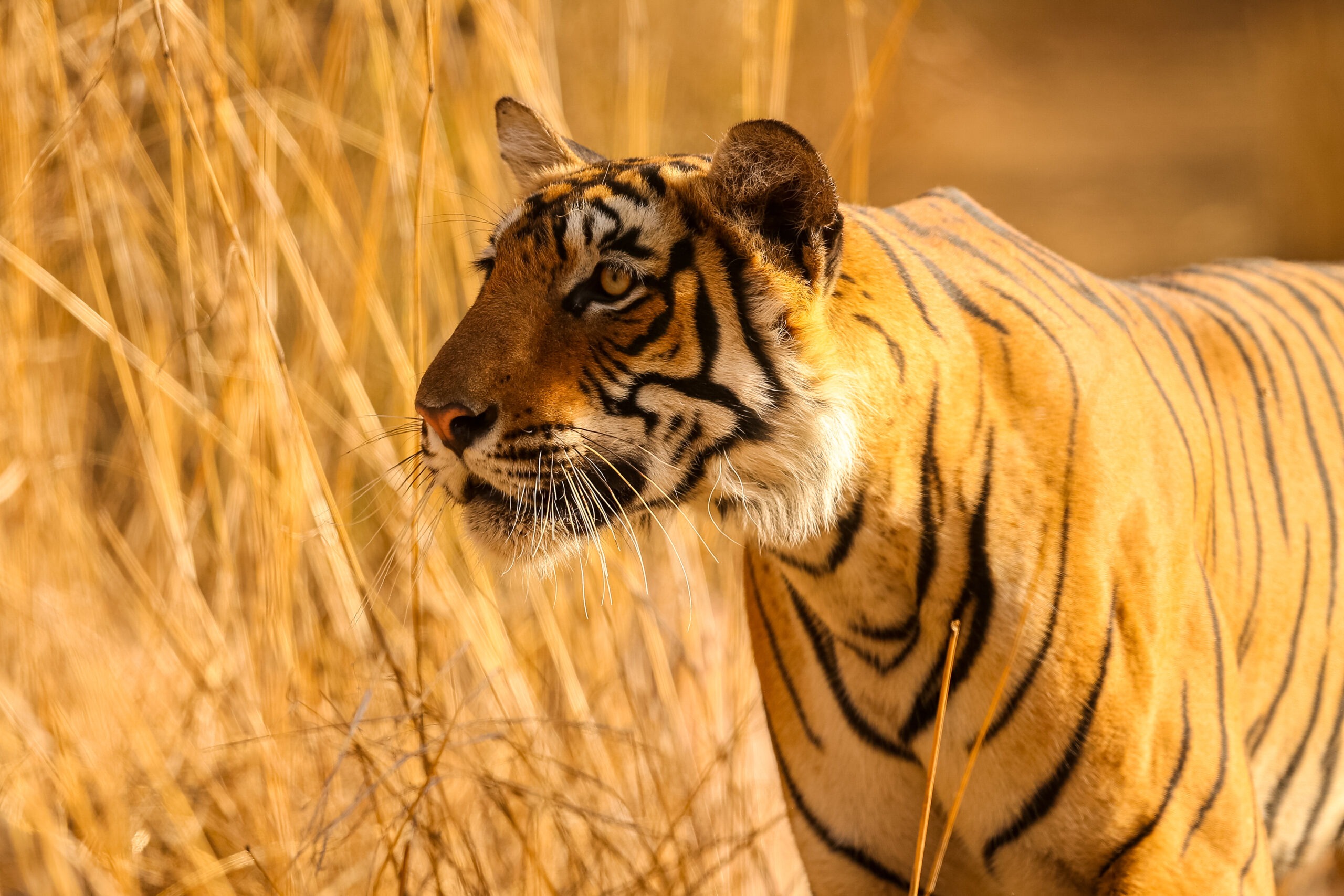
Ranthambore Tiger Reserve, nestled in Rajasthan, is one of India’s most prestigious wildlife destinations. Spanning over 1,334 square kilometers, it is home to a thriving population of Bengal tigers, leopards, and an array of other wildlife species. This haven of biodiversity offers visitors a chance to connect with nature and experience the adventure of a lifetime.
| Location | Sawai Madhopur, Rajasthan, India |
|---|---|
| Established | As a wildlife sanctuary back in 1995, then came under Project Tiger in 1973, and lastly a National Park in 1980. |
| Total Area | 1,334 square kilometers |
| Major Fauna | Bengal Tigers, Leopards, Sloth Bears, Caracal, Striped Hyenas, Wild Boar, Chital, Sambar Deer, Jackals, Nilgai, Indian Python, Indian Bullfrog, Butterflies, etc. |
| Different Safaris | Canter Safari and Jeep Safari |
| Safari Timings | Morning and Evening Safaris are allowed here. |
| Major Attractions Inside | Ranthambore Fort, Raj Bagh Ruins, Lakes, Trinetra Ganesh Temple, Jogi Mahal |
| Nearest Railway Station | Sawai Madhopur Railway Station |
| Nearest Airport | Jaipur International Airport |
| Safari Zones | In Total 10 Safari Zones |
| Climate Difference | From October to March, the park remains pleasant. From April to June, the park remains hot and dry and in July, August, September - it experiences rainfall. |
| Bird Species | Over 300 species of resident and migratory Birds. Major ones are Peacock, Great Horned Owl, Kingfisher, Painted Stork, Eagle, Vulture, Pelican etc. |
| Forest Type | Deciduous Forest with trees like Bija, Teak. Moist Deciduous Forest with species like Indian laurel, Arjun. Mixed Forest and Grasslands. |
| Conservation Efforts | Anti-Poaching Measures, Habitat Improvement, Community Involvement, Monitoring and Research, Awareness Campaigns, Infrastructure Development, Relocation of Villages |
Why Visit Ranthambore?
As a result, Ranthambore National Park attracts many visitors, thanks to its high likelihood of tiger sightings compared to other parks. Besides tigers, the park is also home to a variety of other wildlife, including leopards, sloth bears, hyenas, wild boars, sambar deer, and chital. Birdwatchers will also find this vast park ideal for birding, as it hosts nearly 300 species of resident and migratory birds. Commonly spotted birds include the Kingfisher, Painted Spurfowl, Sarus Crane, Large Cormorant, Bronzed-winged Jacana, Sandpiper, Nightjar, Great Horned Owl, Painted Sandgrouse, and many more.
Ranthambore National Park, located in Rajasthan, is a renowned wildlife sanctuary celebrated for its thriving population of Bengal tigers. As one of Northern India’s largest and oldest national parks, it attracts visitors eager to witness its diverse flora and fauna. Established in 1980, the park spans an impressive 1,334 square kilometers. It takes its name from the historic Ranthambore Fort, which stands within its boundaries. Known for its excellent tiger sightings, Ranthambore offers a unique chance to observe these majestic animals in their natural habitat.
The animals in Ranthambore National Park roam freely, supported by a diverse habitat that includes deciduous forests, open grassy meadows, and rocky ridges. Numerous rivers and water bodies within the park ensure an ample water supply for the wildlife. The historic Ranthambore Fort, a UNESCO World Heritage Site dating back to the 10th century, is another highlight of the park. This ancient fort provides stunning views and is surrounded by temples, mosques, and other historical structures.
Visitors to Ranthambore can observe the park’s vibrant wildlife and bird species in their natural habitats, all with the magnificent backdrop of the fort. The park offers several safari options, including canter, jeep, and boat safaris, allowing tourists to embark on an exciting journey to witness the park’s flora and fauna up close.
TIGERS
LEOPARD
BIRD SPECIES
SLOTH BEARS
Book Your Ranthambore Tiger Safari Online with us
RANTHAMBORE NATIONAL PARK
Project Tiger in Ranthambore
Ranthambore National Park, with a rich history dating back to the 10th century, is a renowned wildlife destination. The park gets its name from the iconic Ranthambore Fort, which is nestled within its boundaries. This historic fort has witnessed numerous battles and the reign of several rulers, adding to the park’s historical and cultural significance. Once a royal hunting ground for the Maharajas of Jaipur, Ranthambore began its transformation into a wildlife sanctuary in 1955. In 1973, it became a vital part of India’s Project Tiger initiative.
Project Tiger, launched by the Government of India on April 1, 1973, was created to protect the rapidly declining tiger population. As one of the nine original tiger reserves, Ranthambore was chosen to be part of this crucial conservation effort. The project aimed to provide a secure habitat for tigers and enforce a ban on hunting and poaching.
The initiative has also focused on raising public awareness about the importance of tiger conservation. Key measures under Project Tiger include anti-poaching efforts, habitat restoration, community engagement, wildlife monitoring, awareness campaigns, infrastructure development, and the relocation of villages. These combined efforts have contributed to a significant rise in India’s tiger population, making Ranthambore one of the most successful tiger reserves in the country.
With its rich history, thriving wildlife, and successful conservation efforts, Ranthambore National Park remains a must-visit destination for nature and wildlife enthusiasts.
What To Do In Ranthambore Tiger Reserve

Safari Experience
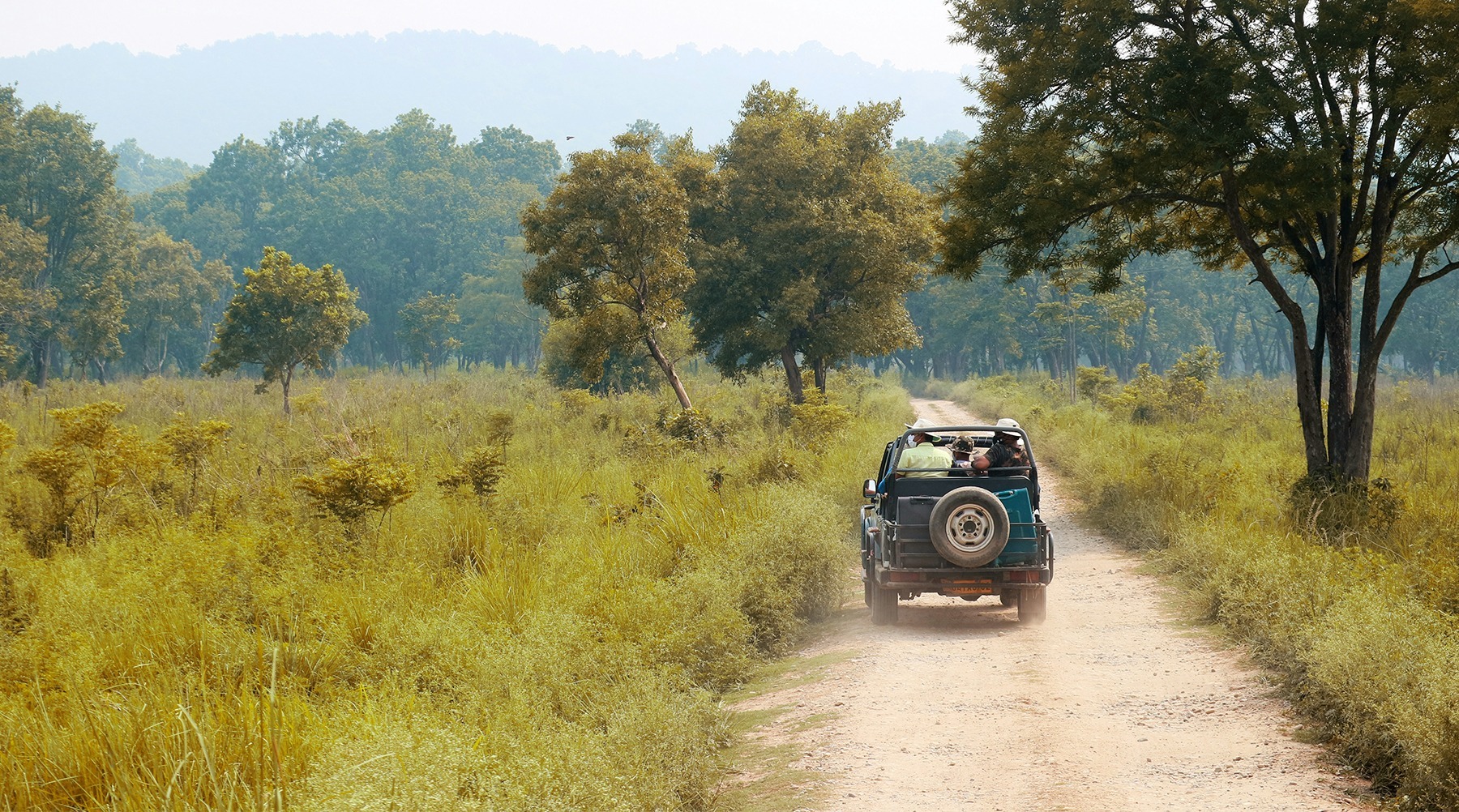
Visitors to Ranthambore can embark on exciting jeep or canter safaris, where they’ll encounter a rich variety of wildlife, plants, and birds. They can also explore the park’s many attractions through these thrilling safari experiences
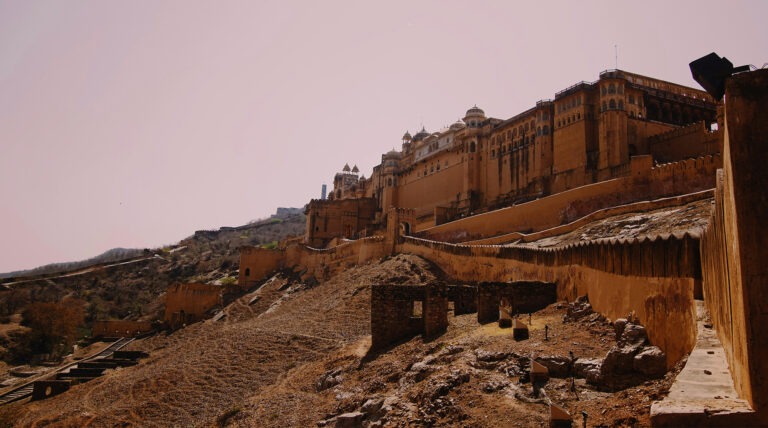
Ranthambore Fort
Tourists can explore the 10th-century UNESCO-listed Ranthambore Fort, a symbol of the area’s imperial past and former hunting grounds of Jaipur's Maharaja, offering breathtaking views.
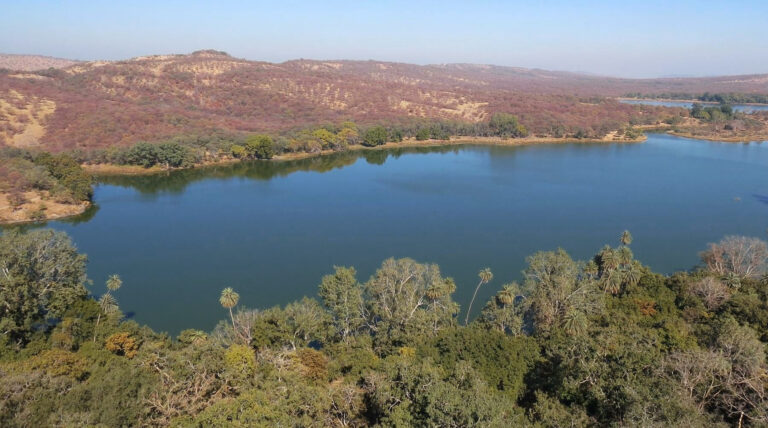
Kachida Valley
This picturesque valley, located at the park’s edge, boasts lush greenery, rocky outcrops, gentle hills, and serene lakes—a haven for nature lovers. Visitors here may spot panthers or bears, as they avoid deeper forest areas inhabited by powerful tigers.
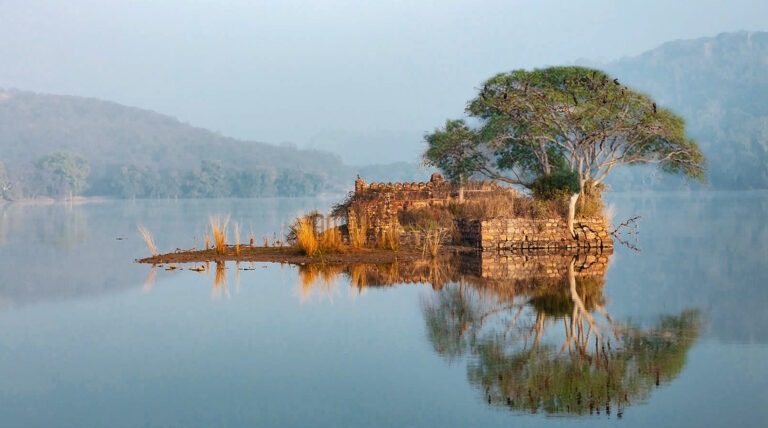
Padam Talao
Travelers can unwind by the scenic Padam Talao, the park’s largest lake adorned with beautiful water lilies. It's a key water source for wildlife and a popular spot to observe various migratory and resident birds.
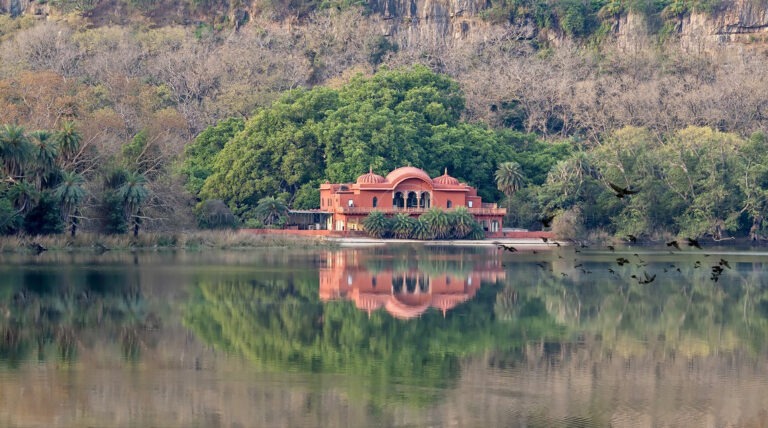
Jogi Mahal
Adjacent to Padam Talao, the Jogi Mahal enhances the picturesque landscape. Once a royal retreat for Jaipur's rulers during hunting excursions, it now serves as a forest rest house managed by officials for visitors. Staying here offers a chance to meditate while enjoying stunning views, and nearby, you'll find the second-largest Banyan tree in India.
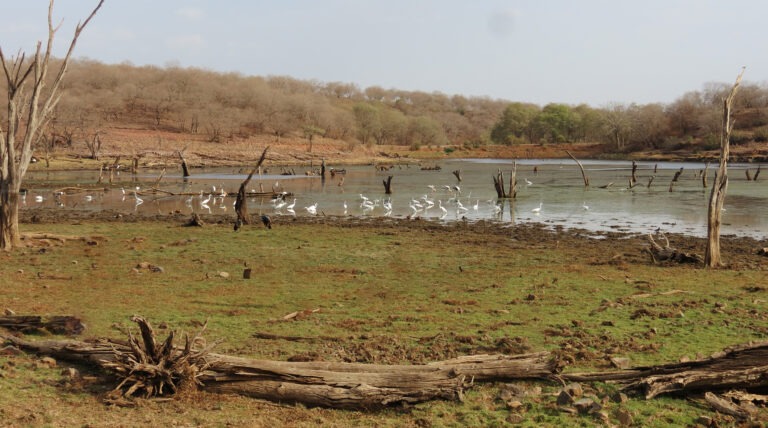
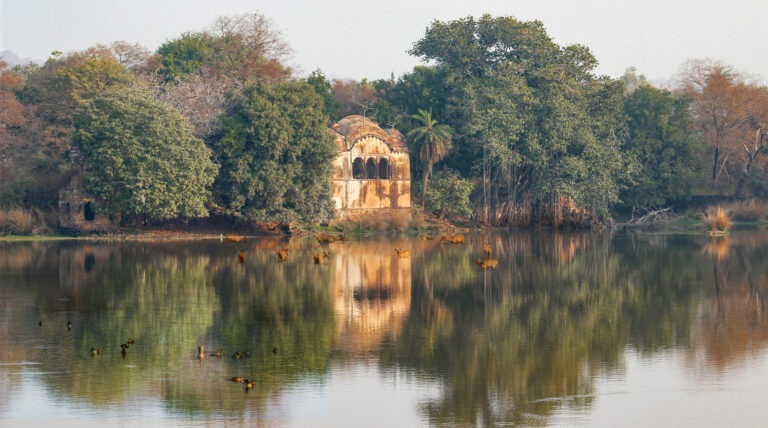
Malik Talao
Ranthambore National Park is dotted with stunning lakes, including the charming Malik Talao. Surrounded by lush greenery, this small lake is home to marsh crocodiles, often seen basking on its banks, and offers excellent opportunities to spot both resident and migratory birds.
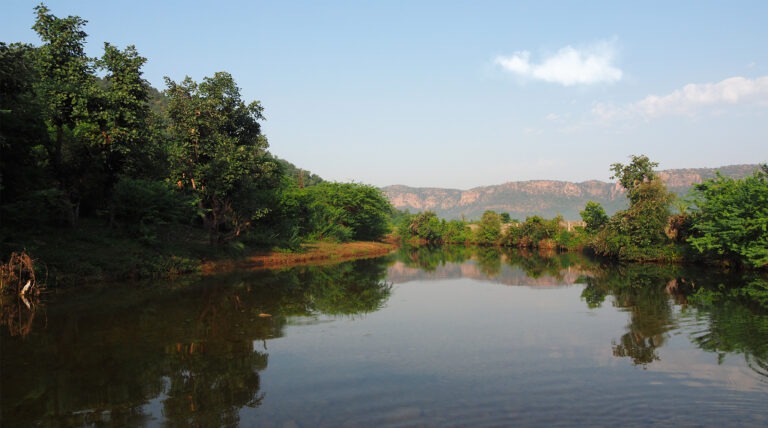
Raj Bagh Talao
This lake, renowned for its beauty, is the best spot in the park for tiger and wildlife sightings, as animals frequently visit to drink water. Between Raj Bagh Lake and Padam Lake, visitors can also explore the ruins of Raj Bagh, and with a bit of luck, witness hunting activities as herbivores graze nearby, drawing in their predators like tigers.
Raj Bagh Ruins
These ruins, located between the iconic Padam Lake and Raj Bagh Lake, serve as a testament to Rajasthan's historic and prehistoric eras. Featuring stone structures, palace outhouses, domes, and arches, they attract history enthusiasts eager to explore remnants from a bygone age.
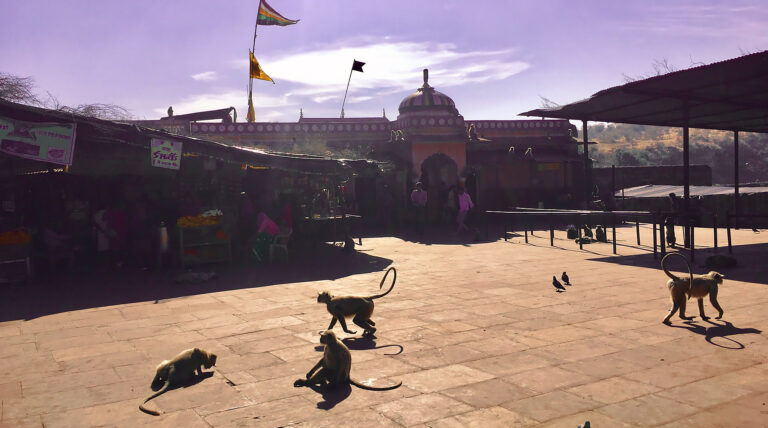
Trinetra Ganesh Temple
Nestled within Ranthambore Fort, this ancient temple is one of Rajasthan's oldest and a significant attraction for Ganesha devotees. It features the Pratham Ganesha idol, unique for depicting the deity alongside his entire family. Many tourists book safaris specifically to visit this temple, where daily Aarti ceremonies occur five times, inviting visitors to participate.
Testimonials
Our Clients Reviews
Visitors Share Their Enchanting Experiences at Ranthambore National Park!
Visiting Ranthambore National Park was a transformative experience! The lush greenery, majestic tigers, and tranquil surroundings made it an unforgettable journey into nature's lap. Highly recommend!
Famous Tigers Of Ranthambore
Machali, the most famous tigress of Ranthambore, will always be remembered for her striking poses and captivating presence. Known by the tiger code T-16, she became a favorite among tourists and was even featured in the award-winning film The World’s Most Famous Tiger and mentioned in Katy Yocom's book Three Ways to Disappear. Sadly, this iconic tigress passed away on August 18, 2016, at the age of 20.
Sundari, the famous tigress and daughter of Machali, was known for her stunning beauty, which earned her the name. Identified by the code T-17, she gave birth to three cubs in 2019 and was primarily seen in zones 1 to 5. Born in 2006, she has sadly passed away.
Jeep Safari in Jim Corbett:
The Jeep Safari stands as the most convenient option to explore the true wilderness and diverse species of flora and fauna inhabiting the Jim Corbett National Park. Jeeps, being four-wheeled vehicles, are permitted to traverse through all buffer zones of the park. This mode of safari is highly popular due to the compact size of Jeeps, allowing easy access to some of the unexplored and hidden corners of the jungle where tiger sightings are more probable. Jeep Safaris can be undertaken in tourism zones such as Bijrani, Jhirna, Durgadevi, Dhela, and Sitabani.
This tiger, known by the code T-6, was famous for his constant pursuit of Laila’s attention. Born in 2011, he was often spotted in zones 4 and 5. Throughout his life, he tried to win Laila's affection, while she attracted other tigers and mated with them. Sadly, he passed away at the age of just 9.
T-41, a famous tigress of Ranthambore, is known for her interactions with T-6 and captivates tourists with her presence. Currently alive, she is primarily spotted in Zones 4 and 5. Visitors can easily identify her by the distinct diamond-shaped marking on her body.
Dollar, also known as T-25, was a famous and fierce tiger in Ranthambore, named for the dollar-shaped mark on his stomach. He earned the nickname Zalim due to his aggressive nature, often chasing vehicles with humans, striking fear into tourists. This powerful tiger passed away in 2020.
| T-24 known as Ustad, T-39 known as Mala, T-41 known as Junglee, Bina One, Bina Two & T-28 known as Sitara. |